
Life-cycle mutual funds vs DIY portfolio: Automate investing or manage it yourself for 30 years—what experts suggest
 2 hours ago
1
2 hours ago
1
Related


RIGHT SIDEBAR TOP AD
Popular

CBSE Class 10, 12 Supplementary Results 2024: Marks verifica...
2 years ago
2089

NEET PG admit card 2024: NBEMS to release hall tickets today...
2 years ago
1894
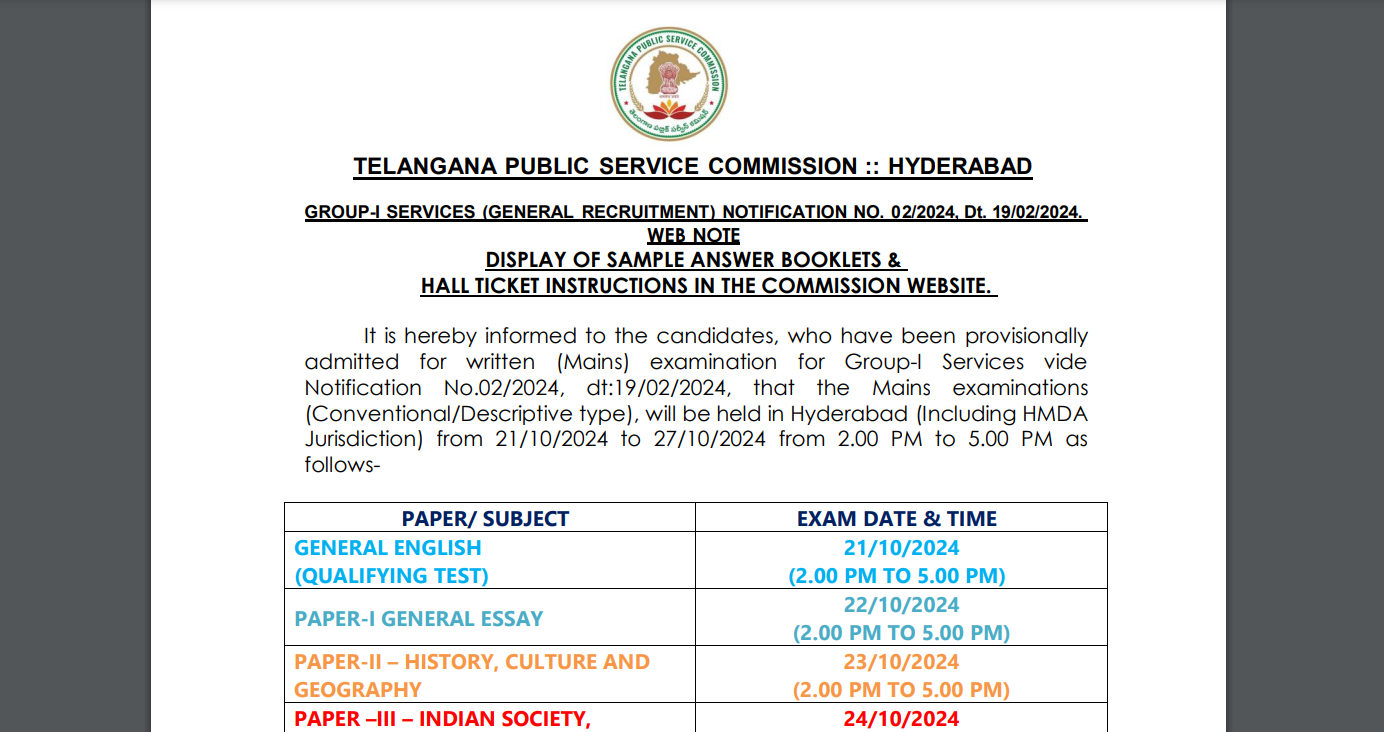
TSPSC Group 1 Mains exam schedule announced, exam timings re...
2 years ago
1811

Amazon Great Freedom Festival Sale 2024 coming soon: Get rea...
2 years ago
1496

iPhone 15, iPhone 15 Plus get massive discounts ahead of iPh...
2 years ago
1424
RIGHT SIDEBAR BOTTOM AD
 English (US) ·
 © TelegramMagazine 2026. All rights are reserved